What Does Central Technology Center Offer HVAC Students?
Central Technology Center in Sapulpa, Oklahoma offers HVAC training in HVAC. The school awarded 17 HVAC credentials in 2024–25. It runs evening classes. Best for working adults who need evening classes.
Class Schedule and Certification Testing at Central Technology Center
Schedule. Classes follow an August-May schedule with a morning session (8:25-11:15 a.m.), an afternoon session (12:45-3:35 p.m.) and an all-day option for adults. High school juniors and seniors and adults can attend. A separate HVAC evening page is also published.
Testing. The program prepares students for the Oklahoma journeyman exam, and the page states that the program counts as two of the three years of work normally required before becoming a journeyman. Certifications listed include EPA Section 608, OSHA 10, CPR, confined space, fall protection, forklift and scissor lift.
Central Technology Center by the Numbers: 17 HVAC Awards in 2024–25
- HVAC certificates awarded
- 17 2024–25
- Students enrolled
- 1,159 school-wide, Fall 2024
Tuition and fees are for a full-time year. Awards count HVAC credentials conferred. Graduation rate and enrollment cover the whole school. Source: NCES College Navigator.
Heat Pumps, Refrigeration and Controls at Central Technology Center
Completion counts as two years of the three-year apprenticeship typically required before sitting for the Oklahoma journeyman license.
- EPA 608 refrigerant certification
- Refrigeration systems
- Electrical and wiring
- Heat pumps and geothermal
Where You'll Train: Sapulpa Campus
- Sapulpa Campus
Check start dates, admission steps and the current course list on Central Technology Center's own site.
Visit centraltech.eduWhat HVAC Technicians Earn in Oklahoma
Across Oklahoma, the median HVAC technician wage is $57,560 a year, from $36,050 at the 10th percentile to $79,660 at the 90th, with 5,650 HVAC mechanics and installers employed. The national median is $61,010. Source: BLS OEWS, May 2025.
5 More HVAC Schools Within 40 Miles of Sapulpa
- Meridian Technology Center30 mi
- Tulsa Welding School-Tulsa37 mi
- Miller-Motte College-Tulsa39 mi
- Oklahoma Technical College39 mi
- Tulsa Technology Center40 mi
Straight-line distance between campuses. All HVAC schools in Oklahoma · HVAC schools in Drumright
Central Technology Center HVAC FAQ
Does Central Technology Center Have an HVAC Program?
Yes. Central Technology Center offers HVAC training in HVAC at Sapulpa Campus. Training covers EPA 608 refrigerant certification, refrigeration systems, electrical and wiring, heat pumps and geothermal.
Does Central Technology Center Offer Night or Weekend HVAC Classes?
Classes follow an August-May schedule with a morning session (8:25-11:15 a.m.), an afternoon session (12:45-3:35 p.m.) and an all-day option for adults. High school juniors and seniors and adults can attend. A separate HVAC evening page is also published.
Can You Get EPA 608 Certified at Central Technology Center?
The program prepares students for the Oklahoma journeyman exam, and the page states that the program counts as two of the three years of work normally required before becoming a journeyman. Certifications listed include EPA Section 608, OSHA 10, CPR, confined space, fall protection, forklift and scissor lift.
How Much Do HVAC Technicians Make in Oklahoma?
The median HVAC technician wage in Oklahoma is $57,560 a year, and the middle half earn between $44,190 and $72,110 (BLS, May 2025).
Latest Posts From the Blog
All posts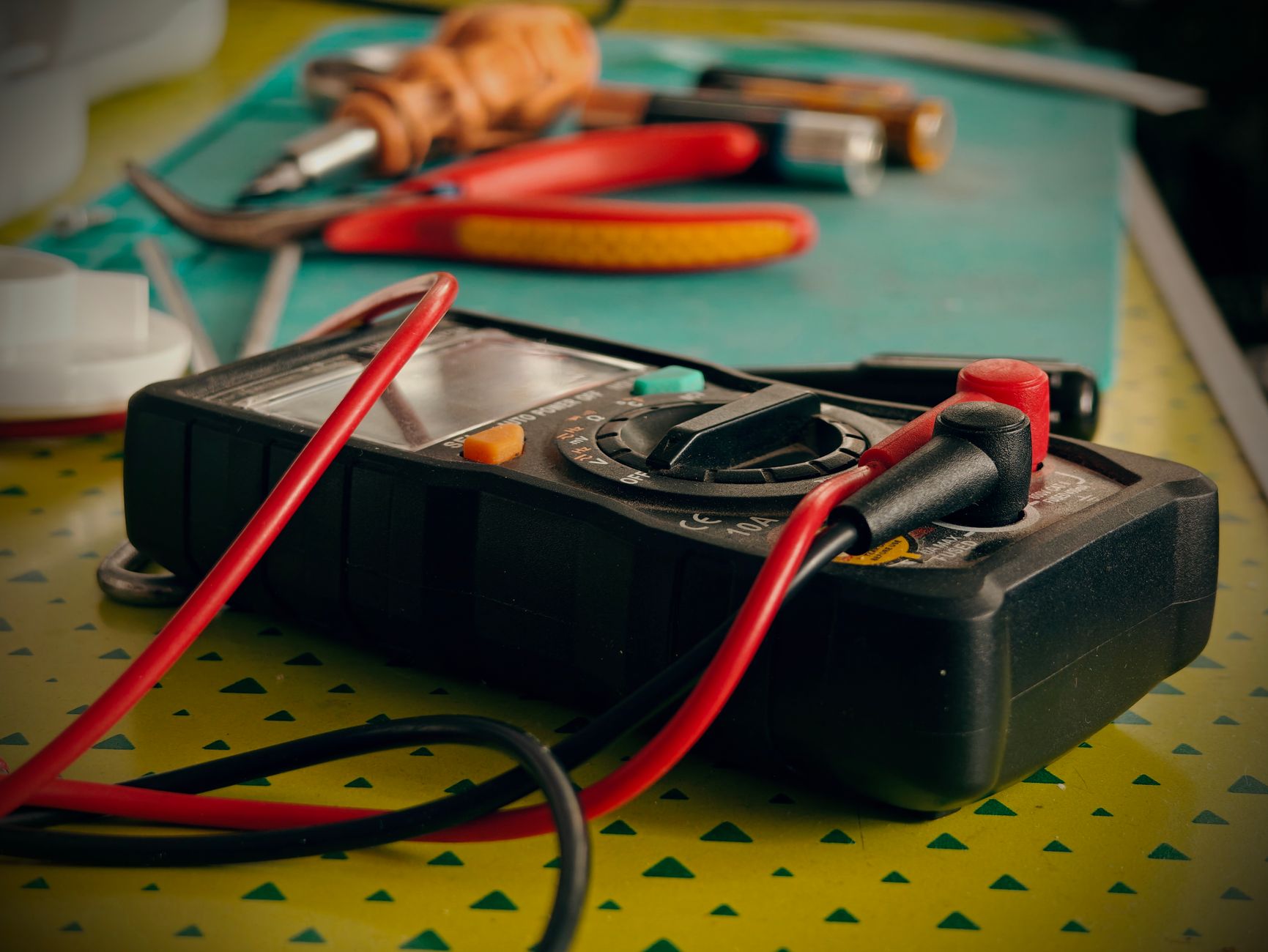
National · Cost
What HVAC Students Spend on Books, Tools and Supplies
HVAC books and supplies run from $500 a year at St. Philip's College to $3,864 at Sampson Community College. See what schools list and what's included.
Texas · Cost
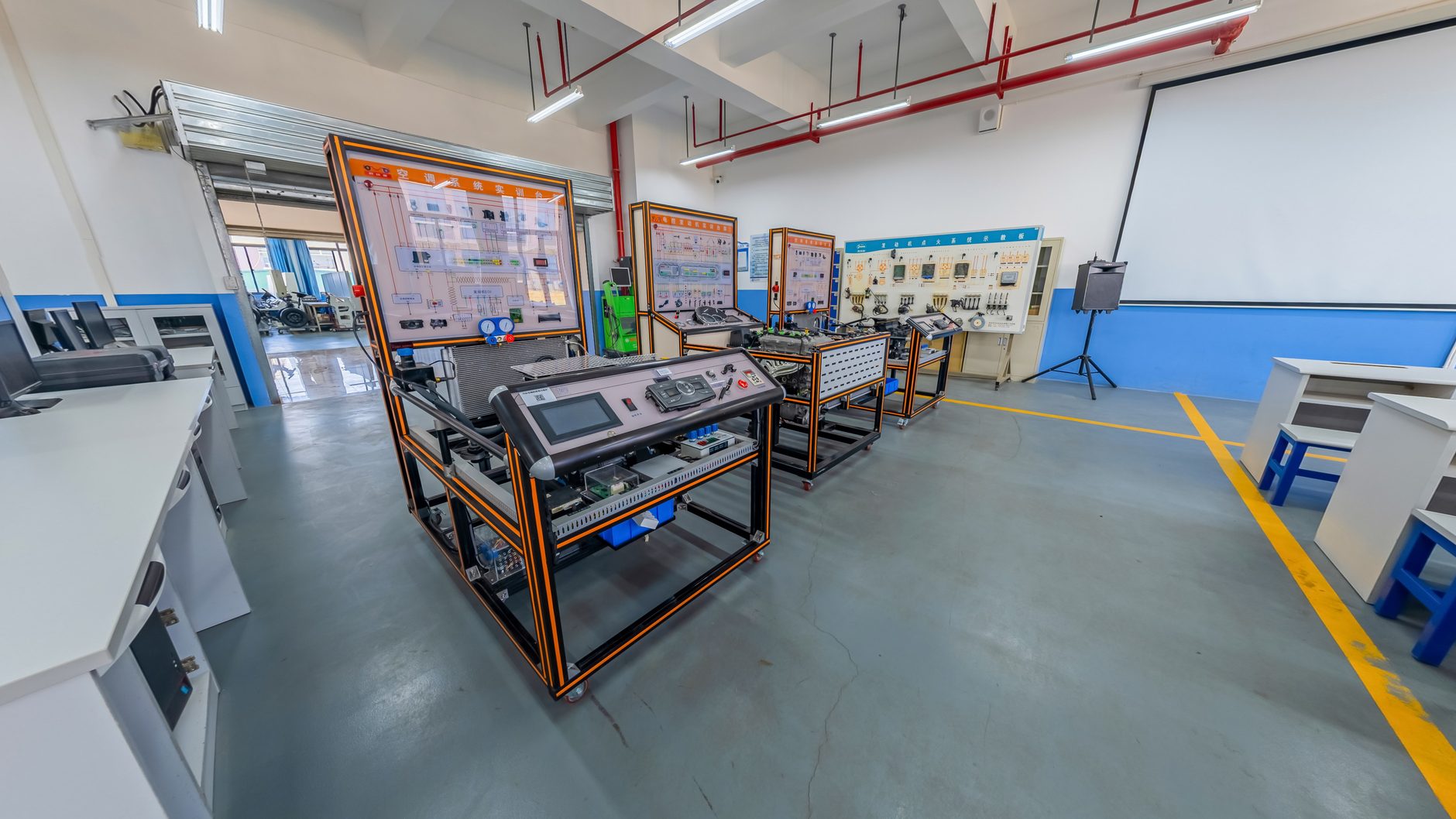
How Much Does HVAC School Cost in Texas?
Texas HVAC tuition runs from $1,770 a year at Lamar State College-Port Arthur to $33,969 for a full private program. Compare colleges and career schools.
California · Cost
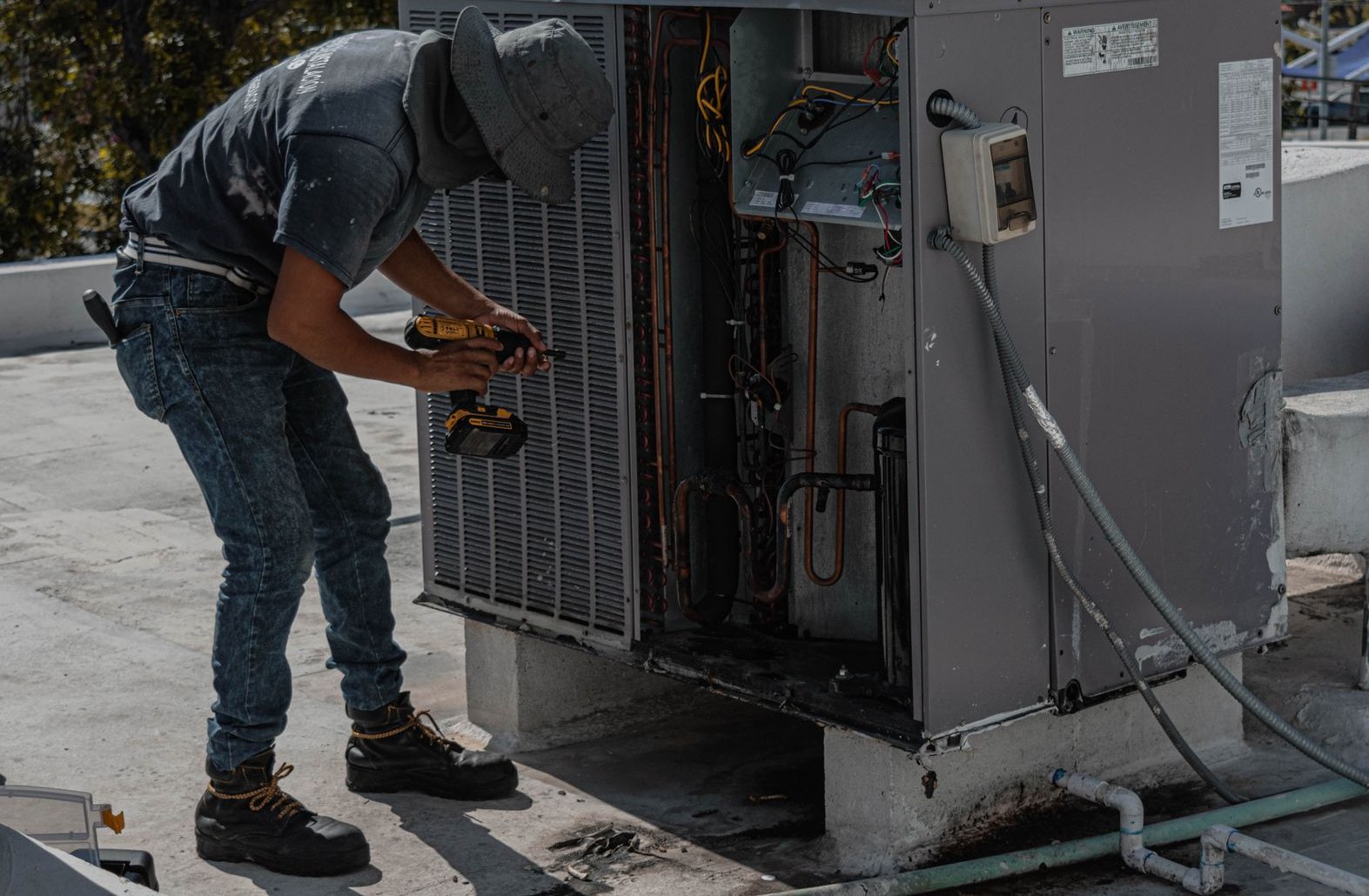
How Much Does HVAC School Cost in California?
California HVAC costs by school: community colleges charge $1,124 to $1,696 a year in state, while private schools price whole programs at $10,388 to $26,444.