How Do You Choose an HVAC School?
Start with schools you can reach on lab days, then compare the credential (a certificate or diploma of months, or a two-year associate degree), whether the program includes EPA 608 testing, and the full cost. Across 491 verified schools with federal figures, the median tuition and fees were $4,650 a year, and 200 programs run evening classes for working adults.
HVAC Schools by State
Each state guide ranks local HVAC programs on tuition, size and completion, with statewide and metro pay.
Top-Ranked HVAC Schools in the Largest States
The first-ranked school in each of the 4 states with the most verified programs, scored on size, cost, completion and credentials.
El Camino Community College District
Offers an associate degree and 9 certificates in HVAC
- Tuition / year
- $1,144 in-state, 2024–25
- HVAC awards
- 91 conferred 2024–25
Covers EPA 608 · Refrigeration · Electrical · Heating · Air conditioning · Controls
Indian River State College
Offers an associate degree and 4 certificates in HVAC
- Tuition / year
- $2,764 in-state, 2024–25
- HVAC awards
- 80 conferred 2024–25
Covers EPA 608 · Refrigeration · Electrical · Heat pumps · Controls · Ductwork
Tarrant County College District
Offers 2 associate degrees and 4 certificates in HVAC
- Tuition / year
- $1,863 in-district, 2024–25
- HVAC awards
- 94 conferred 2024–25
Covers Refrigeration · Heating · Air conditioning · Commercial
Rowan-Cabarrus Community College
Offers an associate degree, a diploma and 7 certificates in HVAC
- Tuition / year
- $2,064 in-state, 2024–25
- HVAC awards
- 98 conferred 2024–25
Covers Refrigeration · Heating · Air conditioning · Heat pumps · Commercial
Compare all 752 HVAC programs by state, credential and topic
HVAC Training: Certificate, Degree and EPA 608
A certificate or diploma focuses on refrigeration, electrical and heating fundamentals and gets you job-ready fastest. An associate degree adds commercial systems, controls and general education, which suits technicians aiming for commercial service or supervision. Neither is the same as EPA Section 608 certification, the federal credential required for refrigerant work, which you earn by passing an exam with an EPA-approved certifying organization.
Read how to become an HVAC technician, the EPA 608 certification guide, how long HVAC school takes and how HVAC apprenticeships work.
HVAC Technician Salary: What Technicians Earn
BLS counts 409,670 U.S. jobs for heating, air conditioning, and refrigeration mechanics and installers, with a median of $61,010 a year. The highest state medians (among states with at least 500 jobs) are in Alaska ($77,430), Illinois ($77,410), Massachusetts ($77,300).
Source: BLS Occupational Employment and Wage Statistics, May 2025. See HVAC technician salary by state.
HVAC School FAQ
How Long Does It Take to Become an HVAC Technician?
BLS says HVAC programs generally last 6 months to 2 years and lead to a certificate or associate degree. Of the 752 programs we verified, 318 offer an associate degree and the rest award certificates or diplomas.
How Much Does HVAC School Cost?
Across 491 verified schools with federal figures, the median tuition and fees were $4,650 for a full-time year. Public colleges cost much less than private for-profit schools; tools and books are extra.
Do HVAC Technicians Need a Certification?
Yes for refrigerant work: EPA Section 608 certification is federally required. 448 of the programs we verified name EPA 608 preparation or testing. Some states and cities also license HVAC technicians.
How Much Do HVAC Technicians Make?
The national median is $61,010 a year, from $40,050 at the 10th percentile to $95,210 at the 90th (BLS, May 2025).
Latest Posts From the Blog
All posts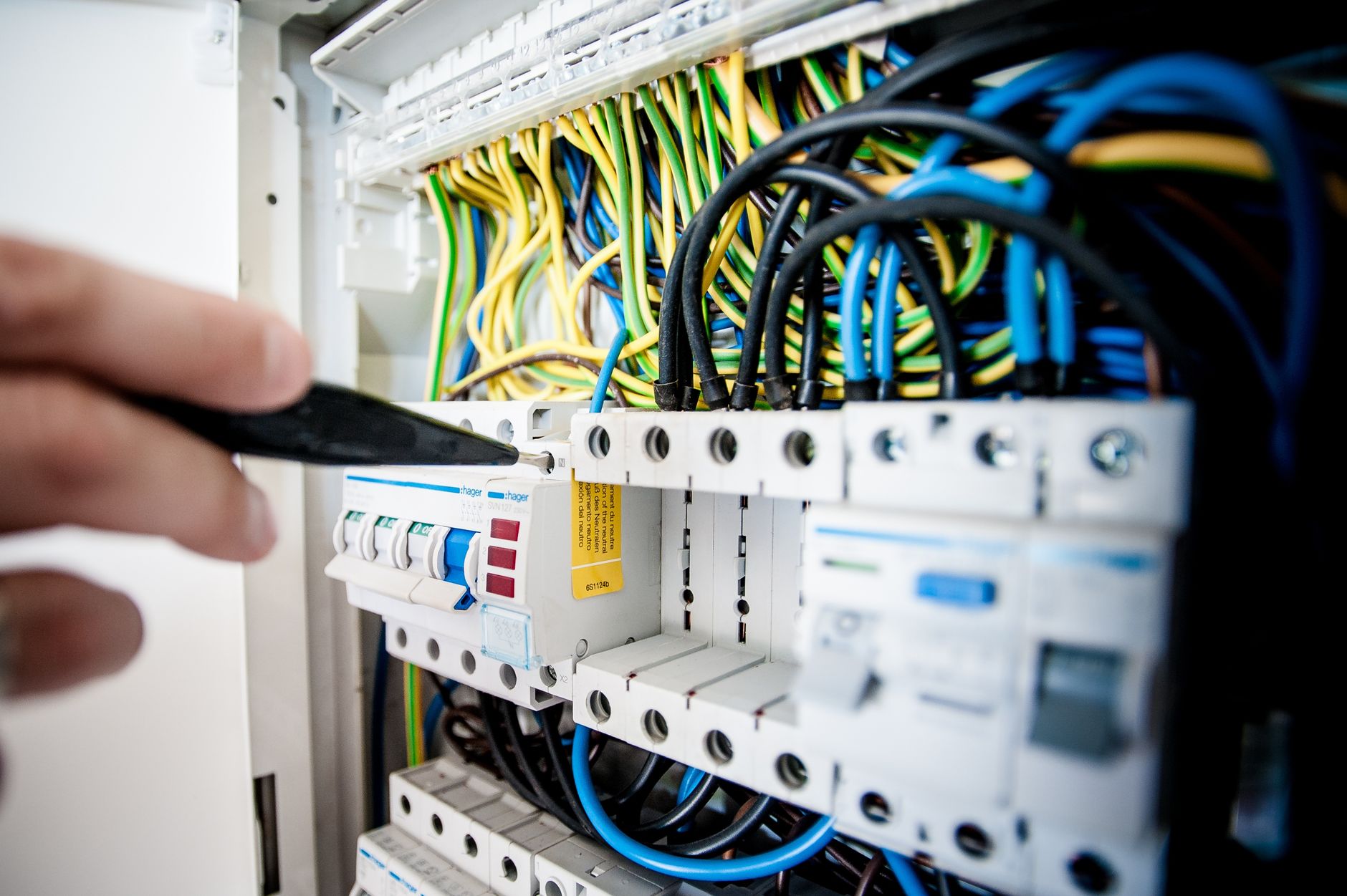
National · Certificates and Degrees
HVAC Certificate or Associate Degree: Which Should You Choose?
An HVAC certificate takes one to three semesters; an associate degree takes about two years. Compare credit hours, tuition and fit at real colleges.
New York · Careers
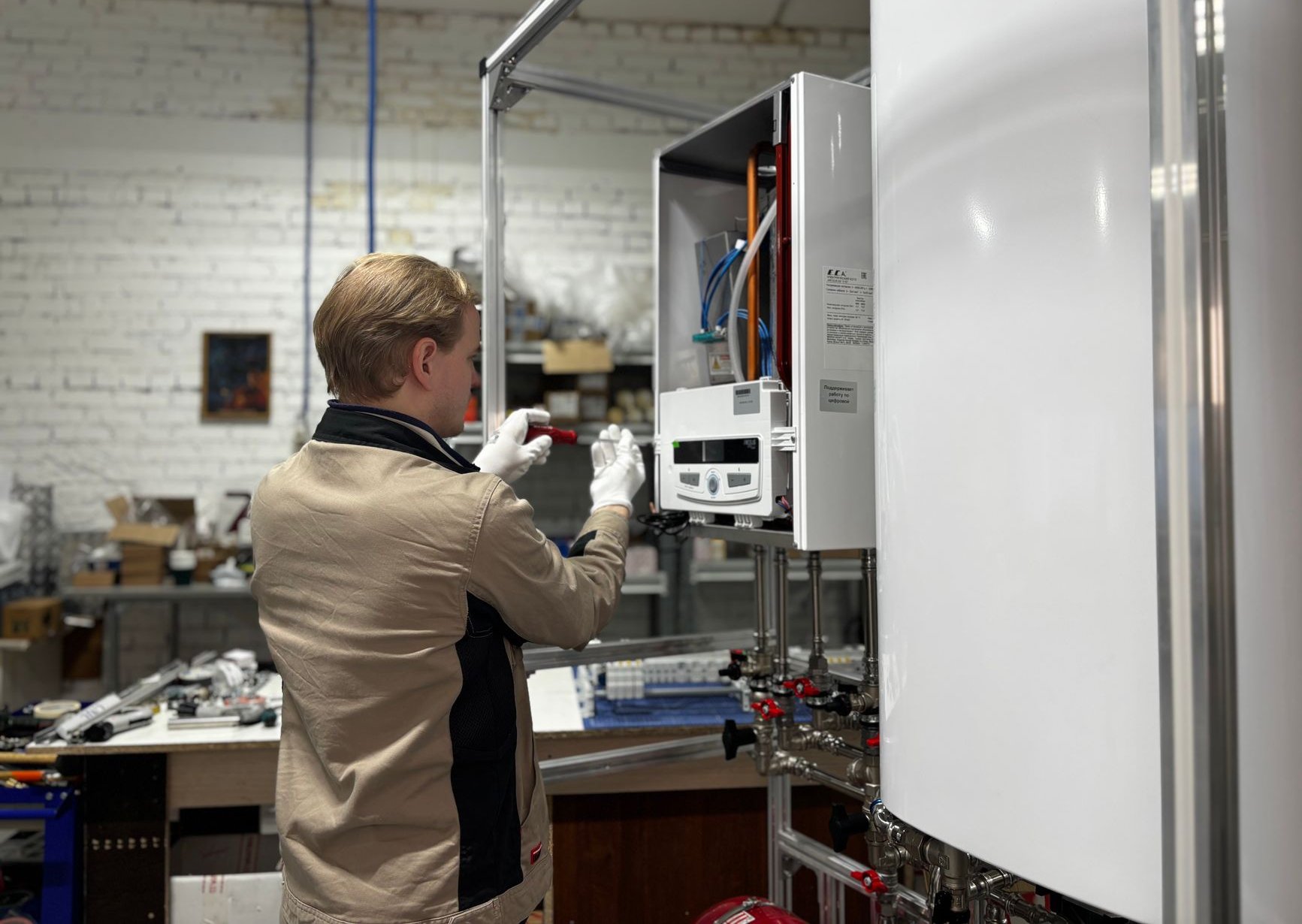
How to Get an HVAC Apprenticeship in New York
How registered HVAC apprenticeship works in New York, which college program counts toward one, and which schools prepare you to get hired as an apprentice.
Florida · Certificates and Degrees
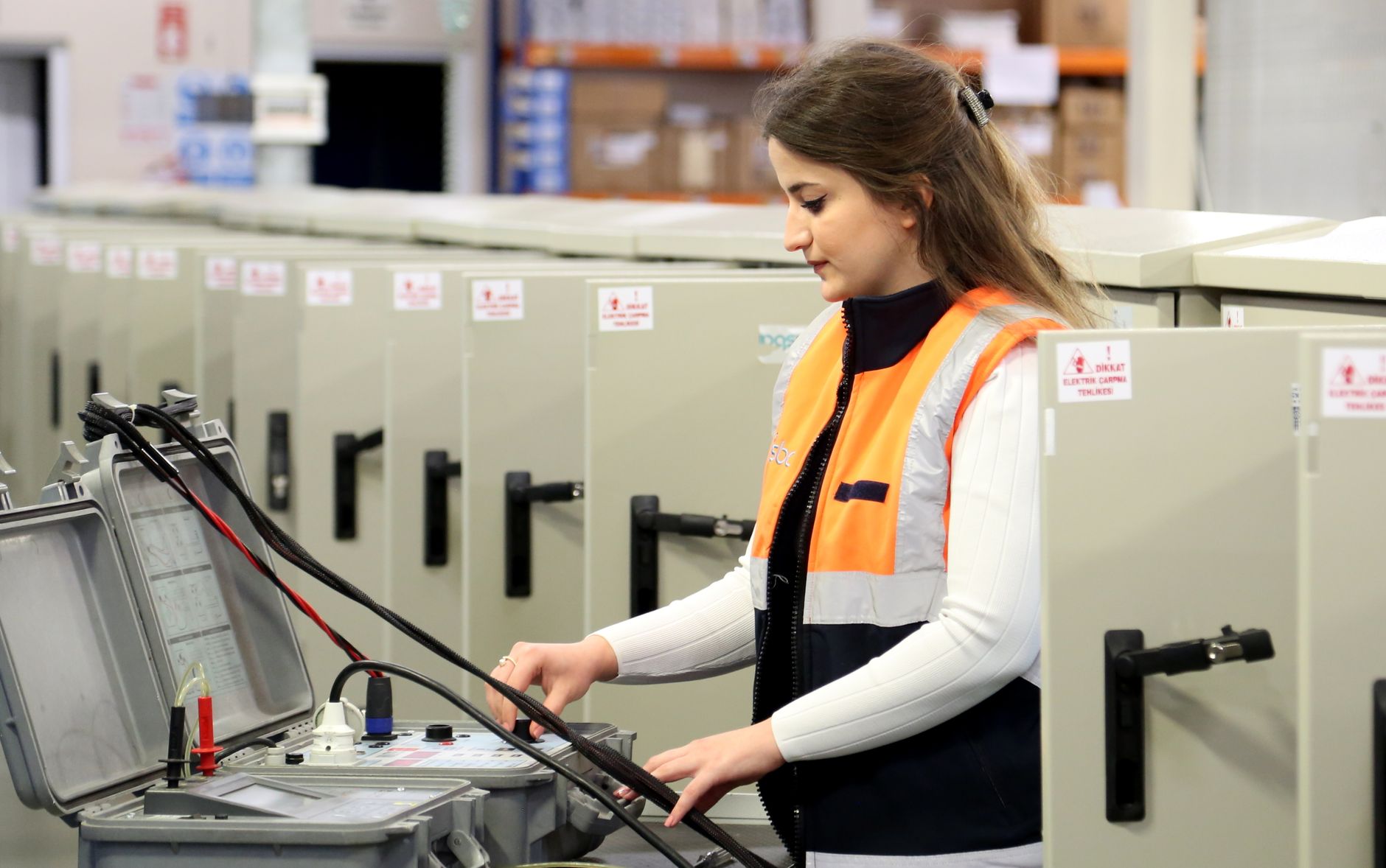
Florida Clock-Hour HVAC Programs: Cost and Length
What Florida technical college HVAC programs cost and how long they take: whole-program prices from $2,000 for 750 hours to $7,238 for 1,350 hours.
Explore HVAC Schools and Careers
How We Research HVAC Schools
Every school figure comes from the U.S. Department of Education's College Navigator or the school's own HVAC program page, reviewed September 2026; pay comes from the Bureau of Labor Statistics. Read our methodology and affiliate disclosure.