What Does SUNY College of Technology at Alfred Offer HVAC Students?
SUNY College of Technology at Alfred in Alfred, New York offers an associate degree in HVAC through its Heating, Ventilation, and Air Conditioning program. Tuition and fees for 2024–25 were $8,892 for a full-time year (in-state). The school awarded 34 HVAC credentials in 2024–25. Best for earning an HVAC degree, not just a certificate.
HVAC Degree and Certificates at SUNY College of Technology at Alfred
| Award | Type | Length |
|---|---|---|
| Heating, Ventilation, and Air Conditioning AOS | Associate | 2 years |
As listed on SUNY College of Technology at Alfred's HVAC program page, reviewed September 26, 2026.
SUNY College of Technology at Alfred HVAC Tuition: $8,892 a Year
- Tuition and fees
- $8,892 in-state, 2024–25
- Out of state
- $16,837 2024–25
- Books and supplies
- $1,200 2024–25 estimate
- HVAC associate degrees
- 34 2024–25
- Graduation rate
- 55% school-wide, Fall 2018 cohort
- Students enrolled
- 3,781 school-wide, Fall 2024
Tuition and fees are for a full-time year. Awards count HVAC credentials conferred. Graduation rate and enrollment cover the whole school. Source: NCES College Navigator.
What You'll Learn in SUNY College of Technology at Alfred's HVAC Program
The AOS pairs HVAC with plumbing and includes hydronic boiler controls such as zone valves, injection mixing and outdoor reset.
- Electrical and wiring
- Heating, furnaces and boilershydronics
- Air conditioning
- Controls and building automation
- Ductwork, airflow and sheet metalventilation
Certification Testing at SUNY College of Technology at Alfred
Testing. The program page says students earn national certifications but does not name them.
Check start dates, admission steps and the current course list on SUNY College of Technology at Alfred's own site.
Visit alfredstate.eduWhat HVAC Technicians Earn in New York
Across New York, the median HVAC technician wage is $74,430 a year, from $48,560 at the 10th percentile to $100,680 at the 90th, with 24,430 HVAC mechanics and installers employed. The national median is $61,010. Source: BLS OEWS, May 2025.
5 More HVAC Schools Within 91 Miles of Alfred
- Monroe Community College59 mi · $6,006/yr
- Erie 1 BOCES65 mi
- SUNY Erie Community College70 mi · $6,100/yr
- Pennsylvania College of Technology81 mi · $18,240/yr
- Clearfield County Career and Technology Center91 mi
Straight-line distance between campuses. All HVAC schools in New York · HVAC schools in Wellsville
SUNY College of Technology at Alfred HVAC FAQ
Does SUNY College of Technology at Alfred Have an HVAC Program?
Yes. SUNY College of Technology at Alfred offers an associate degree in HVAC. Training covers electrical and wiring, heating, furnaces and boilers, air conditioning, controls and building automation, ductwork, airflow and sheet metal.
How Much Does HVAC School Cost at SUNY College of Technology at Alfred?
SUNY College of Technology at Alfred's 2024–25 tuition and fees were $8,892 for a full-time year (in-state) and $16,837 out of state, with books and supplies estimated at $1,200. HVAC students also buy hand tools and meters.
How Long Is the HVAC Program at SUNY College of Technology at Alfred?
Heating, Ventilation, and Air Conditioning AOS: 2 years.
How Much Do HVAC Technicians Make in New York?
The median HVAC technician wage in New York is $74,430 a year, and the middle half earn between $59,720 and $88,130 (BLS, May 2025).
Latest Posts From the Blog
All posts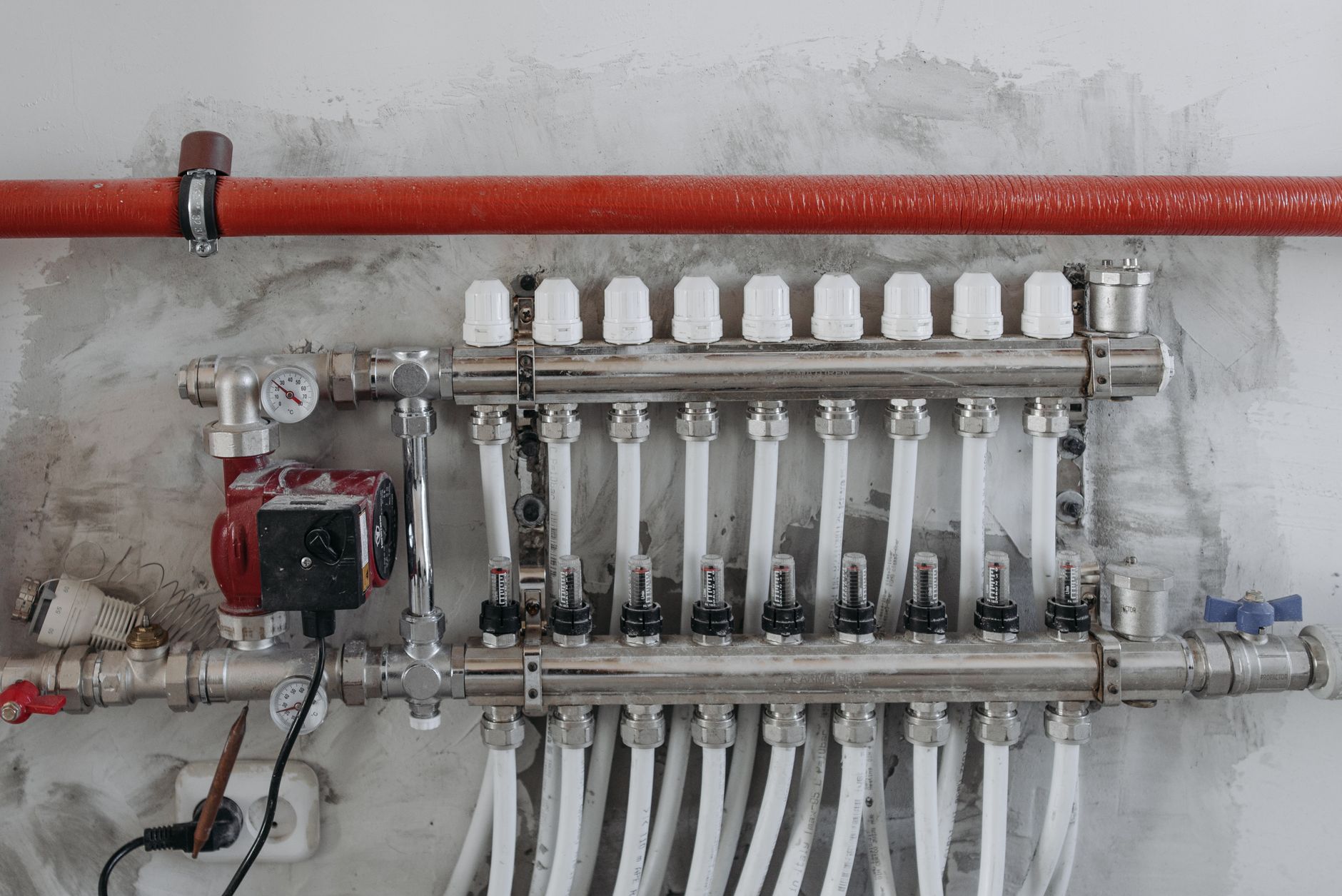
New York · Cost
How Much Does HVAC School Cost in New York?
New York HVAC tuition by school: community colleges from $6,006 a year, BOCES from $8,948 for a whole program, and NYC career schools up to $18,379.

New York · Salary
How Much Do HVAC Technicians Make in New York?
New York HVAC technicians earn a median $74,430 a year ($35.78 an hour), per May 2025 BLS data. Compare New York City with Syracuse, Albany, Buffalo and more.
New York · Training
BOCES HVAC Programs in New York Compared
BOCES HVAC programs in New York compared: hours, tuition, day and evening schedules, EPA 608 testing, Pell eligibility and how they compare with SUNY.