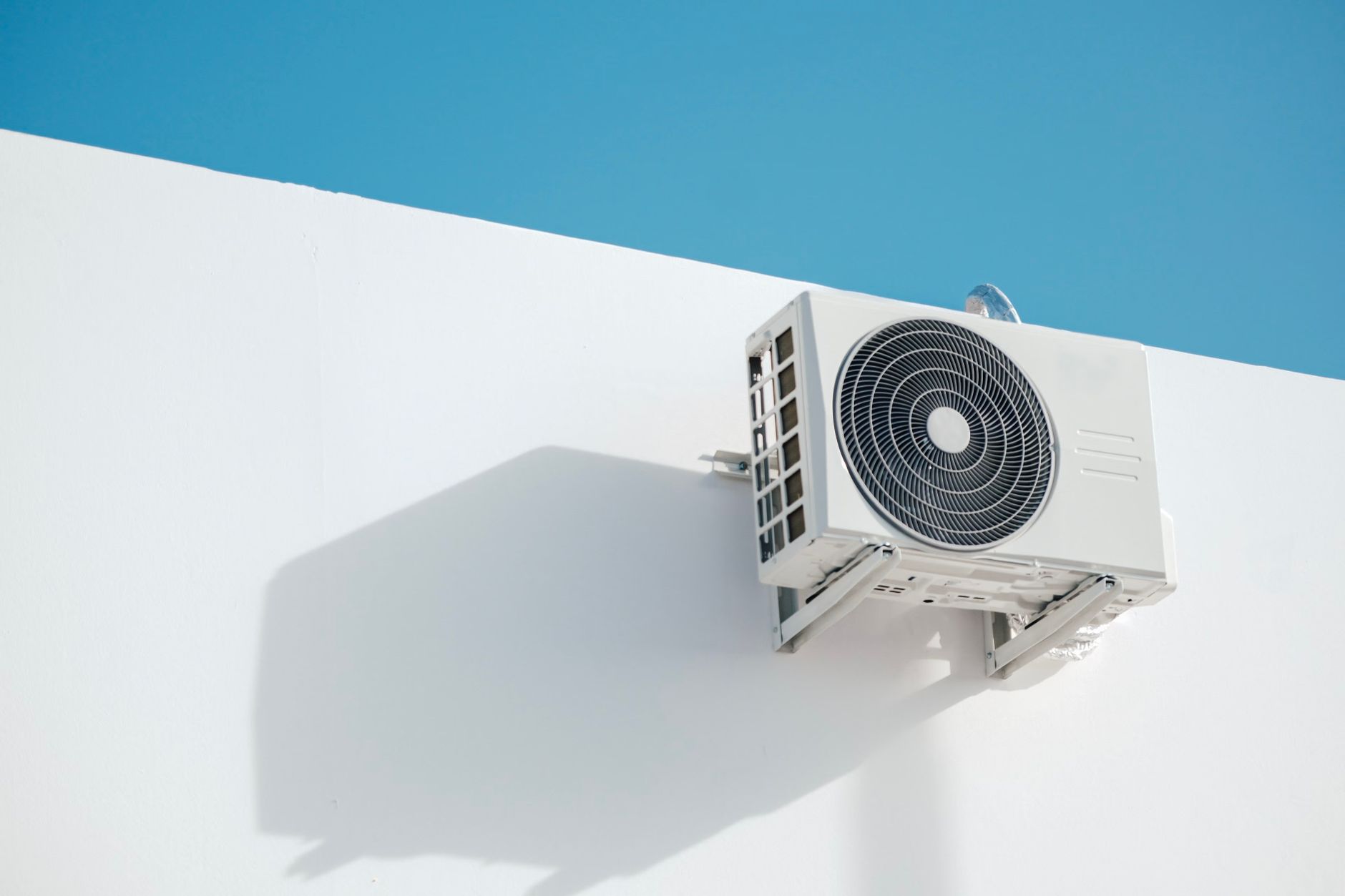
Which North Carolina HVAC Programs Teach Heat Pumps?
Of the 39 HVAC programs in North Carolina, 21 include heat pumps in their coursework. Six community colleges go further with a certificate built around heat pumps: Davidson-Davie, Gaston, Montgomery, Roanoke-Chowan, Rowan-Cabarrus and Wayne. Miller-Motte College in Fayetteville and Raleigh also teaches a full course on heating and heat pumps in its 10-month certificate.
A heat pump heats and cools a home with the same refrigerant circuit, running in one direction in summer and reversing in winter. That makes it a mix of everything an HVAC tech learns: refrigeration, electrical controls, airflow and heating. If you want heat pump skills from day one, it helps to know which North Carolina programs actually teach them, and which ones give you a credential with “heat pump” in the name.
The Short List: Six Colleges With a Heat Pump Certificate
North Carolina’s community colleges share a state HVAC curriculum, but only some of them package a certificate around heat pumps. These six do:
| School | City | Heat pump award | Other HVAC awards | In-state tuition and fees (2024-25) | HVAC awards conferred (2024-25) |
|---|---|---|---|---|---|
| Davidson-Davie Community College | Thomasville | Certificate, Emphasis in Heat Pumps | Diploma, residential heating and cooling and system design certificates | $1,980 | 77 |
| Gaston College | Dallas | Heat Pump Certification (C35100B) | Diploma, cooling and heating certificates | $3,186 | 49 |
| Montgomery Community College | Troy | Heat Pump Certificate, 16 semester hours | AAS, diploma, air conditioning and heating certificates | $2,538 | 3 |
| Roanoke-Chowan Community College | Ahoskie | Heating Pump certificate (C35100A) | AAS, diploma, heating and cooling and mechanical install certificates | $2,642 | 22 |
| Rowan-Cabarrus Community College | Salisbury | Heat Pump Certificate | AAS, diploma and six more certificates | $2,064 | 98 |
| Wayne Community College | Goldsboro | Heat Pump Certificate | Diploma, comfort cooling and heating technology certificates | $2,566 | 51 |
A heat pump certificate is usually one piece of a larger ladder. You can earn it on its own, then keep going to a diploma or degree without starting over.
Who Each One Suits
- Davidson-Davie Community College is the pick if you want to start soon. Its one-year, 37-credit diploma can start in fall, spring or summer, and emphasis certificates cover heat pumps, residential heating and cooling, and residential system design.
- Gaston College suits working adults near Charlotte. It offers day and night classes, and its diploma graduates can continue into Gaston’s Electrical Systems Technology program. It reports a 63% graduation rate for its Fall 2021 cohort.
- Montgomery Community College in Troy runs its degree, diploma and certificates as a day program. It publishes lengths for each: the Heat Pump Certificate is 16 semester hours, the diploma 38 and the AAS 66.
- Roanoke-Chowan Community College in Ahoskie serves the northeastern part of the state with a degree, a diploma and three certificates, including heat pumps and mechanical installation.
- Rowan-Cabarrus Community College in Salisbury has the widest menu: seven certificates, including heat pump, HVAC design and commercial, beside the diploma and AAS. It conferred 98 HVAC awards in 2024-25, second only to Wake Tech statewide.
- Wayne Community College in Goldsboro pairs its heat pump certificate with EPA 608 preparation, and notes students may pay a $25 EPA refrigerant certification fee.
Full Programs That Teach Heat Pumps and Geothermal
Thirteen more North Carolina community colleges include heat pumps and geothermal systems in their coursework without a separate heat pump certificate. Students in these programs cover heat pumps as part of the diploma or degree.
Charlotte, the Piedmont and the Mountains
- Catawba Valley Community College, Hickory. An associate degree that also covers controls, building automation, codes and load calculation. See the Hickory schools page.
- Stanly Community College, Albemarle. A 42-credit diploma with a part-time pathway, plus 14-credit basic and 22-credit intermediate certificates.
- Southwestern Community College, Sylva. A diploma and certificate. Applications are paused until January 2027 for the Fall 2027 semester.
- Tri-County Community College, Murphy. An AAS and a diploma in the far western corner of the state.
Raleigh, Sandhills and the East
- Johnston Community College, Smithfield. A 68-credit degree, a 37-credit diploma and five certificates, including commercial building automation. Johnston conferred 65 HVAC awards in 2024-25.
- Fayetteville Technical Community College. A 67-credit AAS over 5 semesters, a diploma and a basic certificate. FTCC conferred 76 awards.
- Richmond Community College, Hamlet. An AAS, a diploma, and air conditioning and heating certificates, with in-state tuition of $1,956, among the lowest in the state.
- Sampson Community College, Clinton. A degree, a 37-credit diploma and a 17-credit certificate. The diploma covers the EPA license along with refrigerant charging and piping procedures.
- Wilson Community College, Wilson. An AAS, a diploma and four certificates, including an HVAC Comfort Advisor certificate. Basic HVAC Certificate students may take the Section 608 EPA exam.
- Robeson Community College, Lumberton. A 71-credit AAS and a diploma.
- Pitt Community College, Winterville. Students can pick up diplomas and certificates on the way to the AAS.
The Coast
- Cape Fear Community College, Wilmington. A diploma plus general and commercial refrigeration certificates, and HVAC apprenticeships with four named Wilmington-area contractors. Cape Fear conferred 47 HVAC awards in 2024-25.
- Coastal Carolina Community College, Jacksonville. A 65-semester-hour AAS, a 44-semester-hour diploma, and stacked certificates from basic refrigeration to HVAC design and installation, run in an evening program. Coastal reports a 49% graduation rate for its Fall 2021 cohort.
Browse more options on the Wilmington HVAC schools page and the Jacksonville HVAC schools page.
A Private, Faster Route: Miller-Motte College
Miller-Motte College in Fayetteville and its Raleigh campus build heat pumps into one of four 12.5-credit courses: air conditioning, electrical systems and controls, heating and heat pumps, and refrigeration. The program is a hybrid of online coursework and on-campus labs, takes about 10 months, and starts new students every 5 weeks. Students prepare for and sit for the EPA Section 608 exam, and can earn NCCER credentials.
NCES lists the Fayetteville program’s whole-program price at $18,790 in tuition and fees. That is far more than a year at any community college on this page, so Miller-Motte suits someone who values frequent start dates and a set 10-month timeline over the lowest price. The Raleigh campus conferred 85 HVAC awards in 2024-25, and Fayetteville conferred 48.
Choosing Between a Certificate, Diploma and Degree
If heat pumps are your focus, think about how far you want to go:
- A heat pump certificate is the quickest way to show an employer targeted training. Montgomery’s is 16 semester hours.
- A diploma (usually about 37 to 44 credits) covers heat pumps alongside refrigeration, heating, air conditioning and electrical work.
- An associate degree adds controls, codes and load calculation at many colleges, which matters when you size and design heat pump systems rather than just service them.
The guide to how long HVAC school takes compares these paths in more detail. Whichever you choose, plan on EPA 608 certification, since every heat pump carries refrigerant. The EPA 608 certification guide explains the Type I, II and III exams and the Universal credential.
What Heat Pump Training Costs and Pays
At the community colleges on this page, in-state tuition and fees for a full-time year (2024-25) run from $1,956 at Richmond Community College to $4,112 at Southwestern Community College. For the full school-by-school picture, including books and out-of-state rates, read how much HVAC school costs in North Carolina.
On the pay side, BLS reports a median of $57,260 a year for North Carolina HVAC mechanics and installers in May 2025. The post on how much HVAC technicians make in North Carolina breaks that down by metro area.
To compare every program in the state, start at the North Carolina HVAC schools page.
Frequently Asked Questions
How Long Is a Heat Pump Certificate in North Carolina?
Montgomery Community College in Troy lists its Heat Pump Certificate at 16 semester hours. Other colleges, including Gaston, Wayne and Rowan-Cabarrus, offer heat pump certificates alongside a diploma that takes about one year.
Can You Study Heat Pumps at Night in North Carolina?
Gaston College in Dallas offers day and night classes for full-time and part-time students, and its awards include a heat pump certificate. Coastal Carolina Community College in Jacksonville runs its certificate sequence in an evening program.
Do You Need EPA 608 Certification to Work on Heat Pumps?
Heat pumps use refrigerant, so technicians who handle it need EPA Section 608 certification. North Carolina heat pump programs that build in EPA 608 preparation include Sampson, Wayne and Wilson community colleges and Miller-Motte College.
What Does Heat Pump Training Cost at a North Carolina Community College?
In-state tuition and fees for a full-time year (2024-25) at the six colleges with dedicated heat pump certificates run from $1,980 at Davidson-Davie Community College to $3,186 at Gaston College.
More HVAC Guides
All posts
North Carolina · Salary
How Much Do HVAC Technicians Make in North Carolina?
HVAC technicians in North Carolina earned a median $57,260 in May 2025 ($27.53 an hour). See the pay range, metro medians and where to train.
North Carolina · Cost
How Much Does HVAC School Cost in North Carolina?
North Carolina community colleges charge $1,944 to $4,112 a year in-state for HVAC. Private 10-month programs list $18,790 to $23,400 for the whole program.
California · Training
Where Can You Train for Commercial Refrigeration in California?
California schools that teach commercial refrigeration, from Merced College's Commercial Refrigeration AS to Mt. SAC's supermarket refrigeration degree.